 Español
  Français
  Italiano
  English

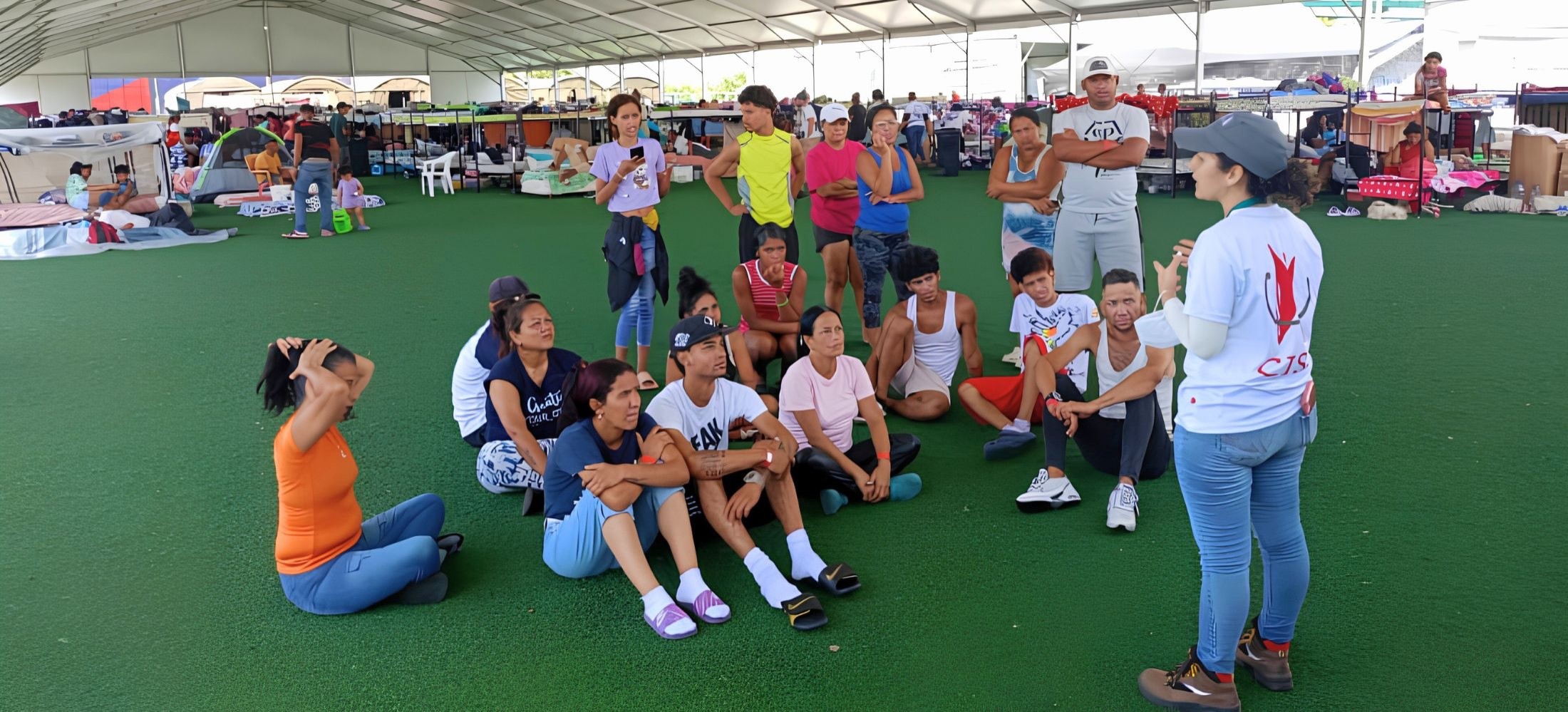
Following the June 2026 earthquake in Venezuela
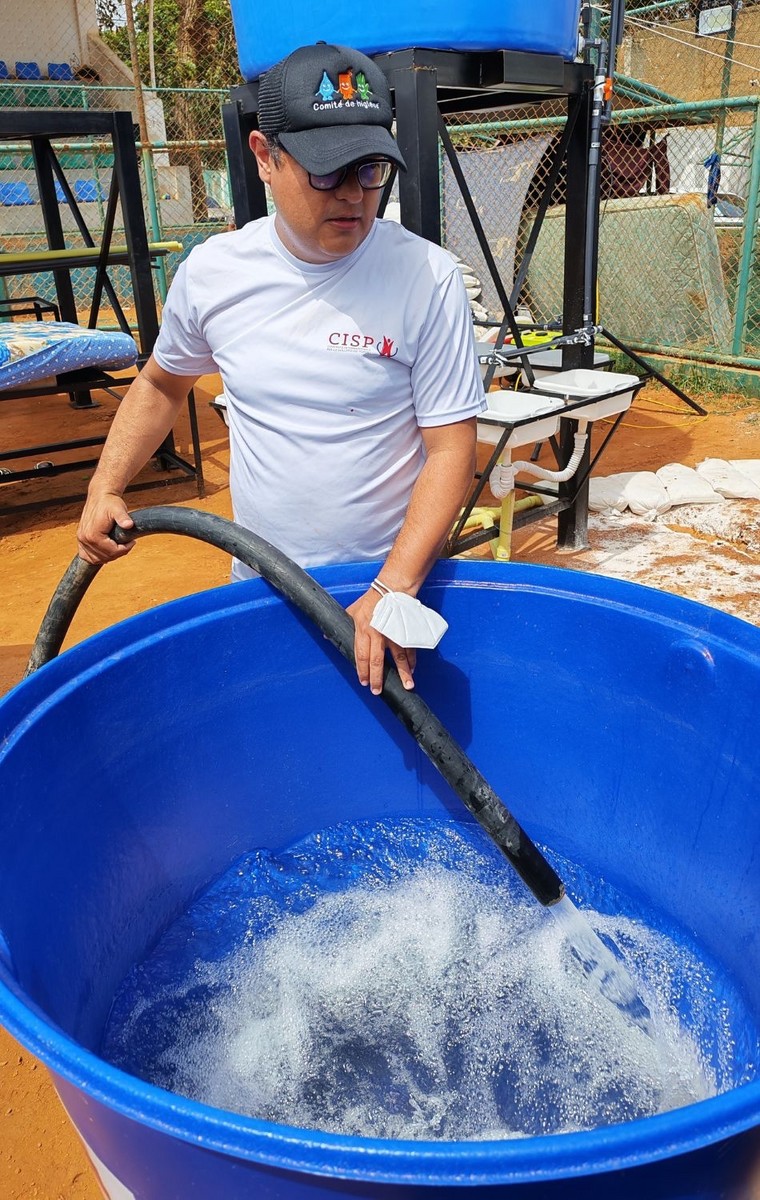
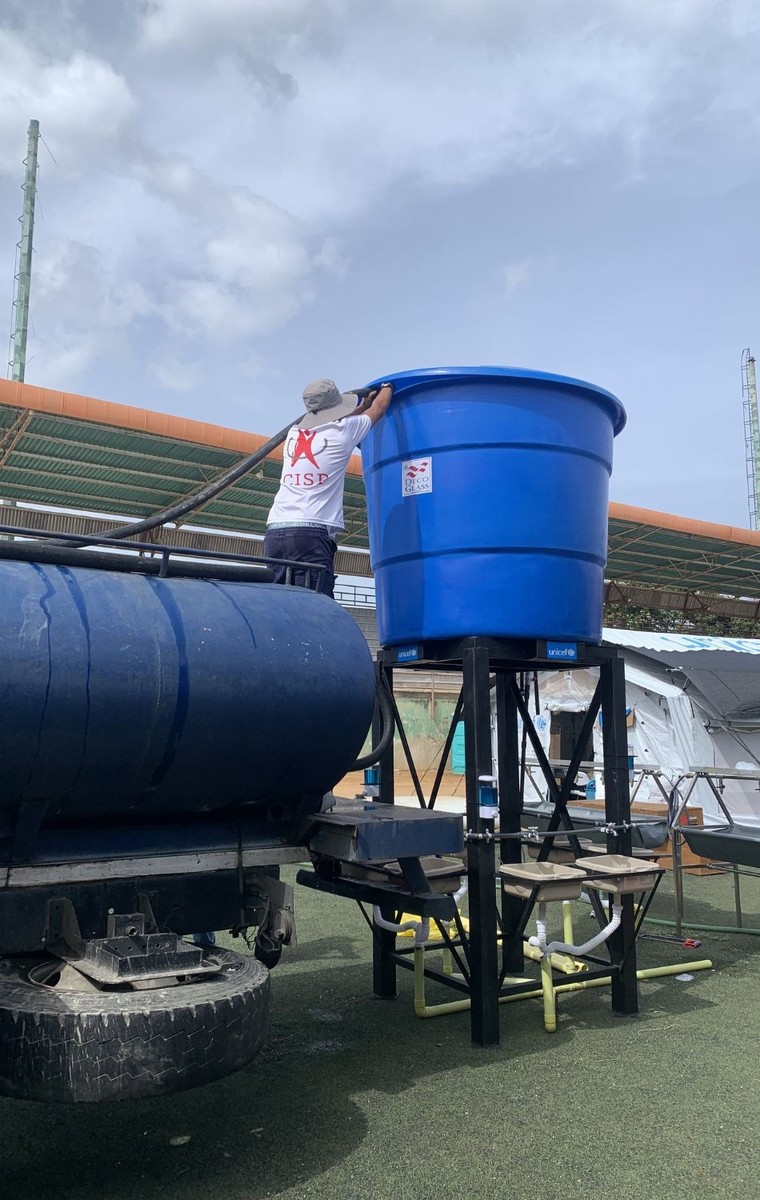
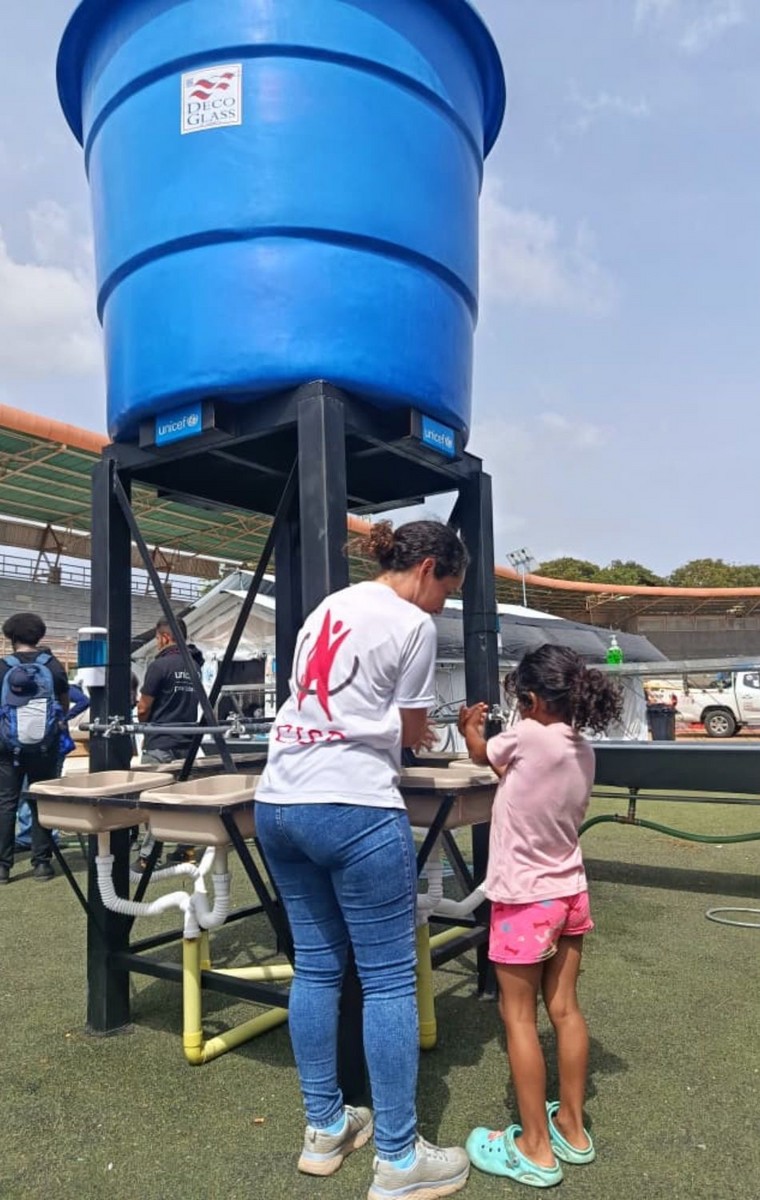
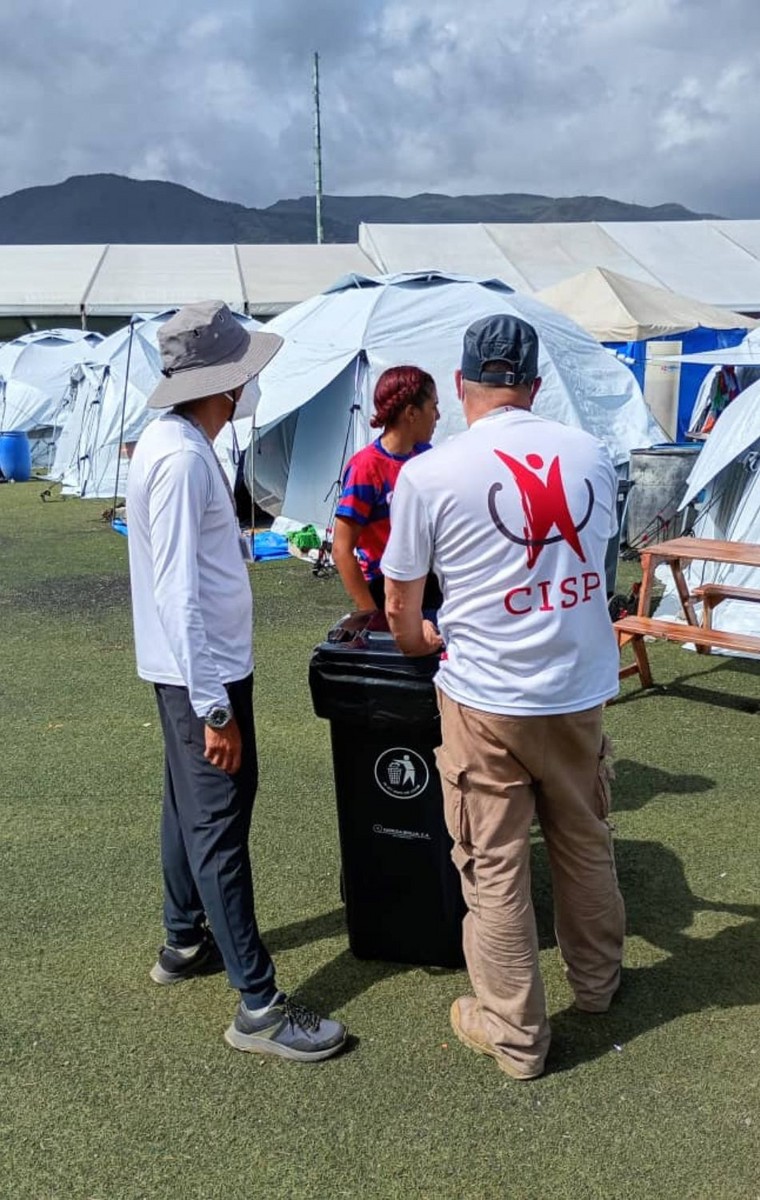
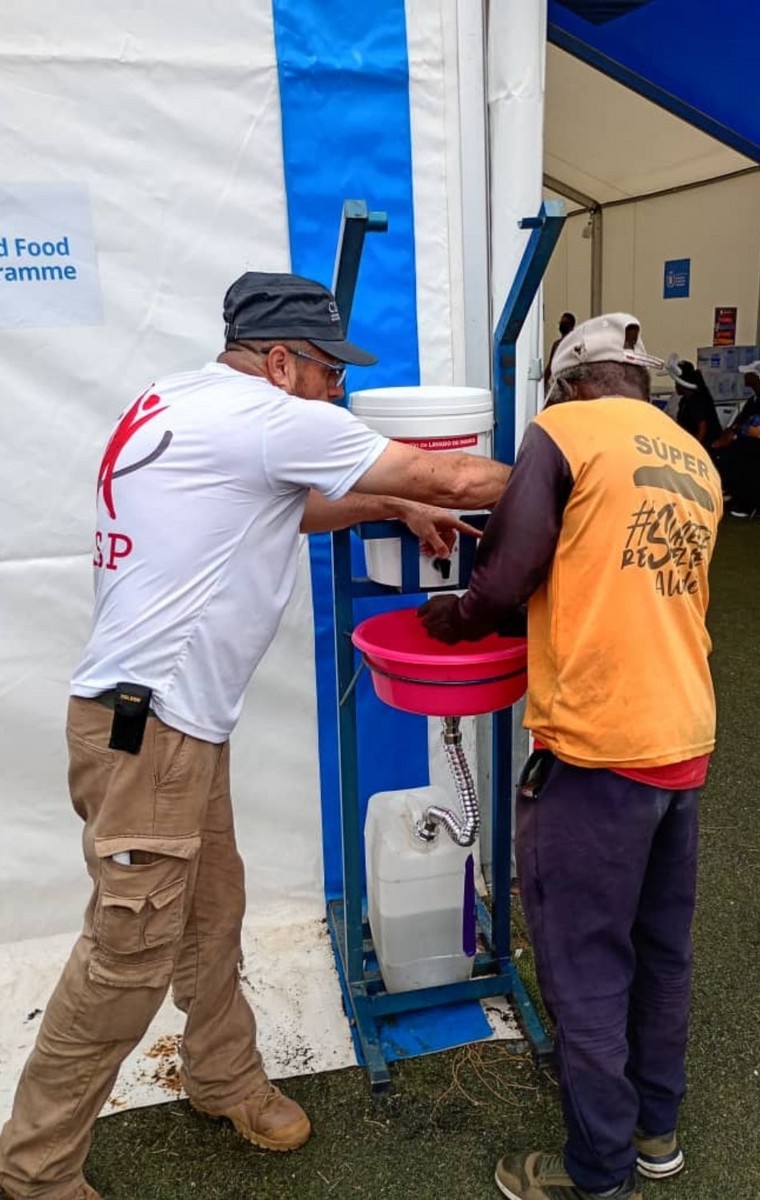
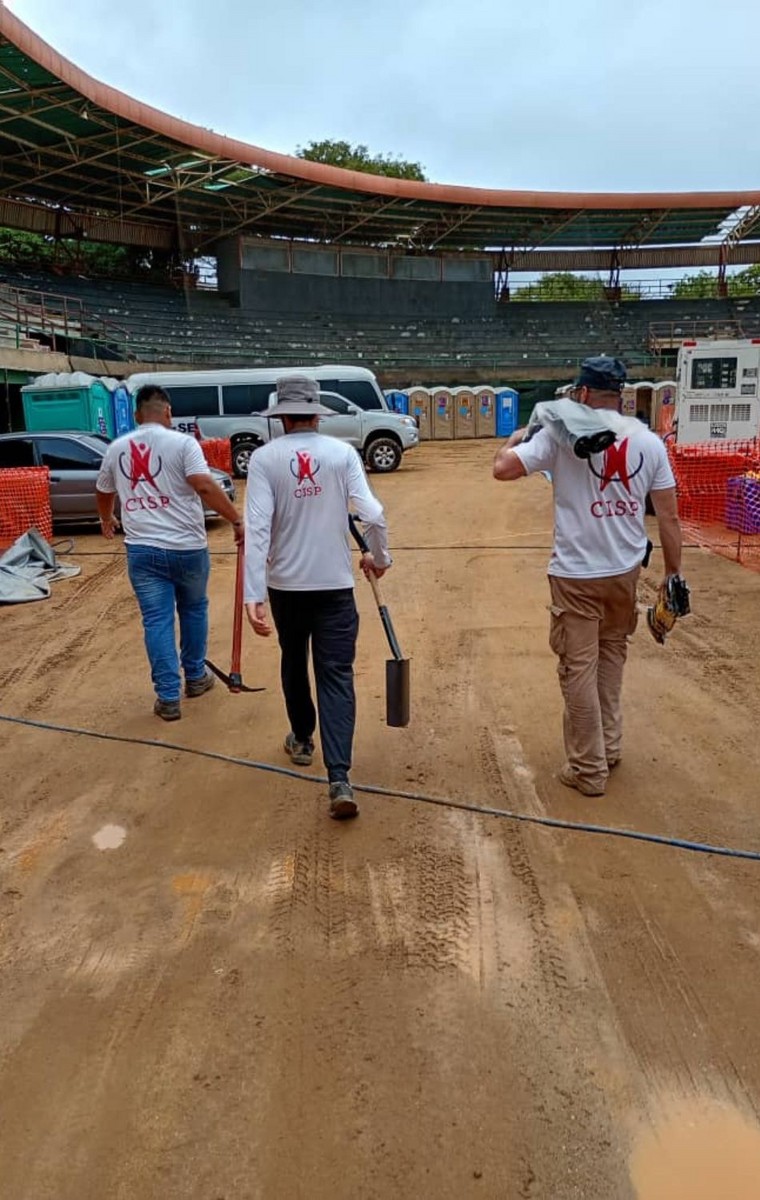
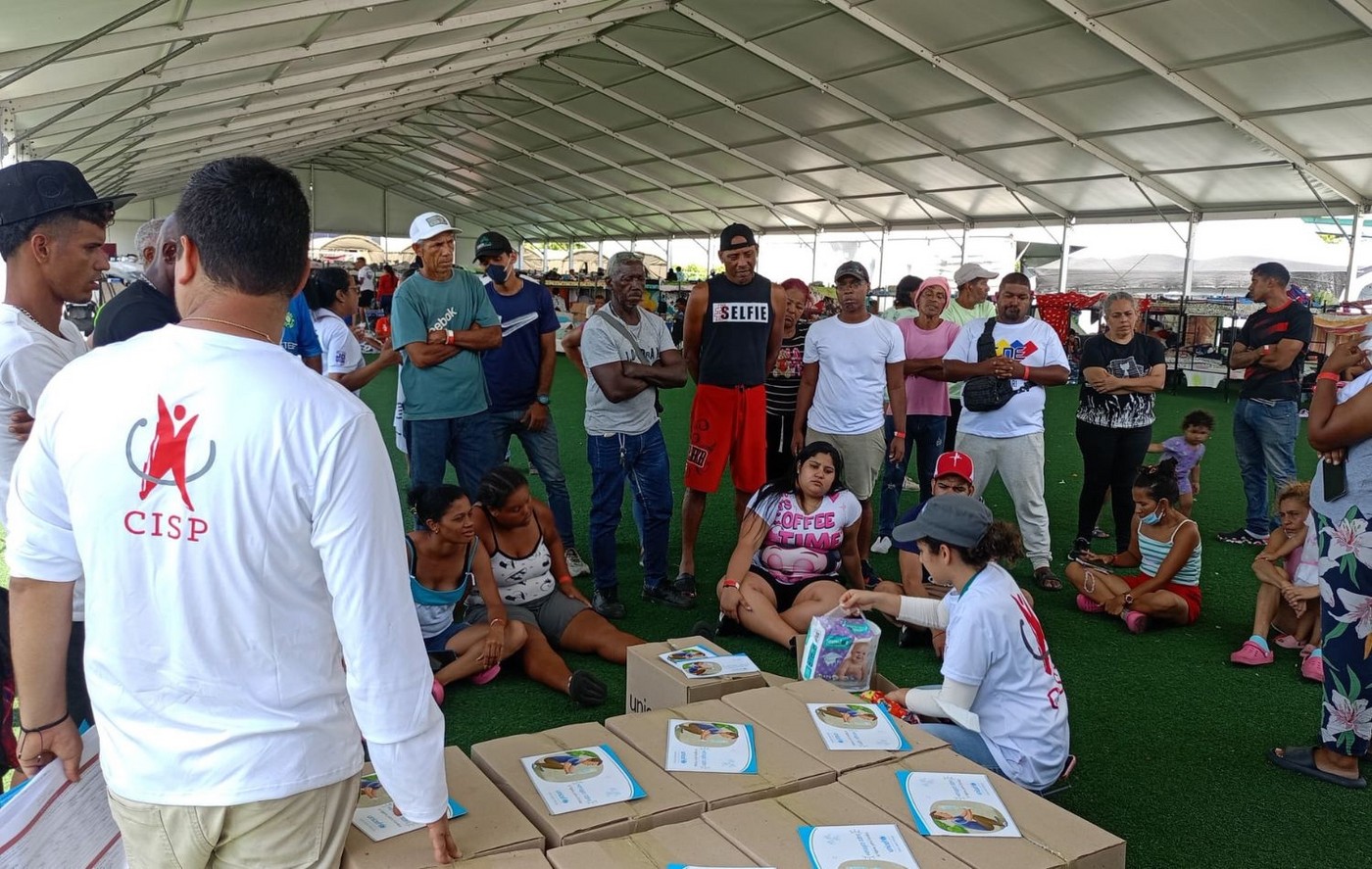
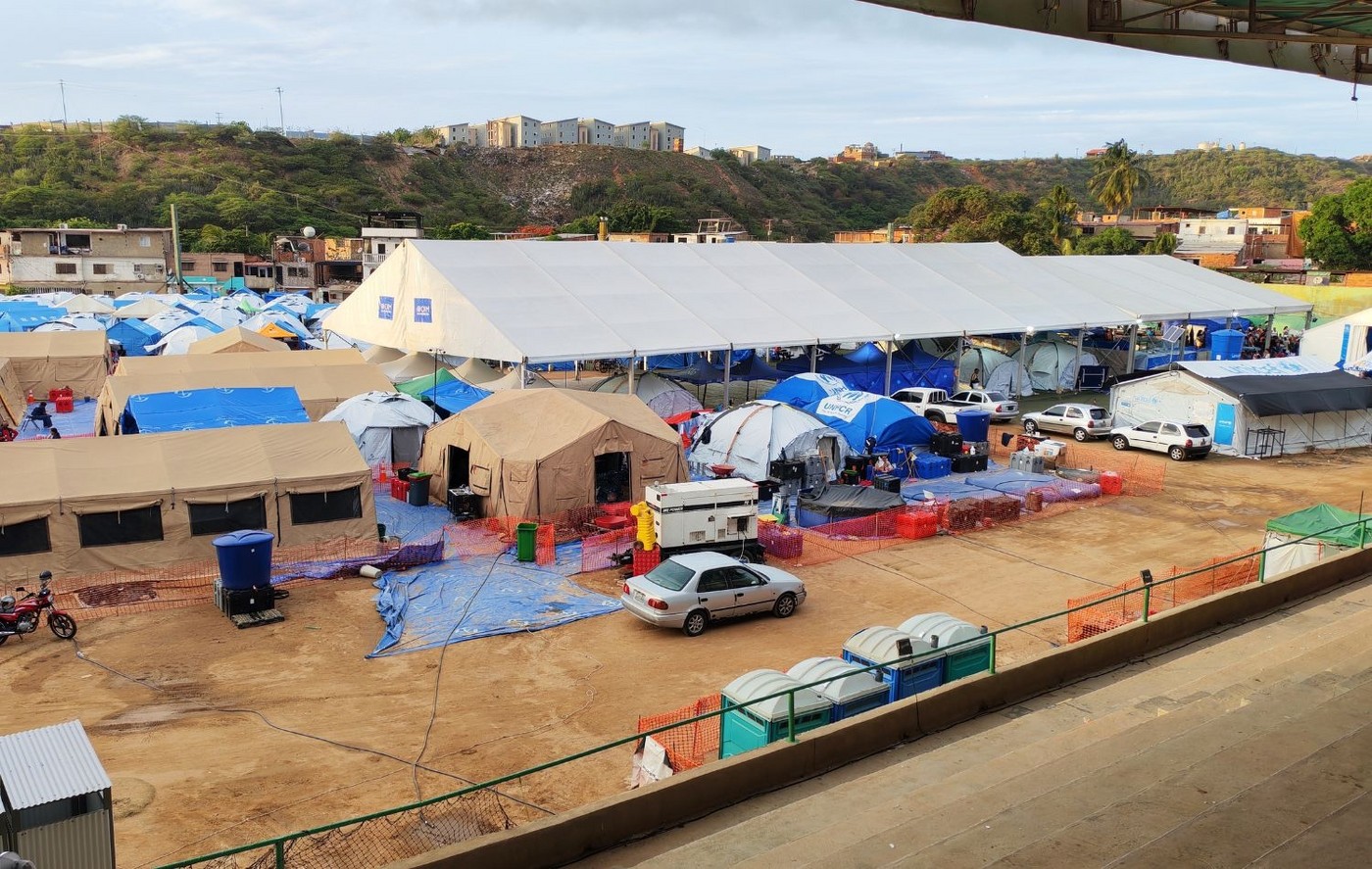
This project delivers a multisectoral humanitarian response—covering water, sanitation, and hygiene (WASH), medical and psychosocial support, food assistance, household goods, and hygiene kits—in La Guaira State. It targets populations affected by the two earthquakes on June 24, 2026, ensuring dignity and well-being across temporary camps, solidarity shelters, and host families.
General Objective
Contribute to saving lives and alleviating suffering among Venezuelan populations affected by the prolonged structural crisis—exacerbated by the June 24, 2026 earthquakes—by delivering rapid humanitarian aid, improving access to essential services, and strengthening socioeconomic integration pathways for vulnerable groups, particularly women, children, persons with disabilities, and returnees.
Specific Objectives
Enhance access to comprehensive multisectoral assistance and safe, dignified shelter for earthquake-affected populations in La Guaira State.
Ensure protection and emergency relief across camps, solidarity shelters, spontaneous settlements, damaged communities, and host families by providing timely access to essential services, upholding minimum humanitarian standards, and building community resilience through the Mobile Comprehensive Assistance Unit (UMAI).